Effective chargeback prevention for creator platforms is no longer just a payments problem. It sits inside support, billing UX, fraud review, reserve planning, and payout operations. When disputes spike, platforms do not only lose transaction value. They lose time, risk processor scrutiny, and create unnecessary tension with creators who depend on stable cash flow.
In 2026, the strongest operators do not wait for disputes to become a finance report. They build systems that reduce confusion and resolve issues before they harden into chargebacks.
Why Chargeback Prevention Matters More Now
1. Card networks are signaling that disputes must be controlled earlier
Visa's current dispute-management guidance is focused on stopping issues before they mature into chargebacks. Its 2026 materials frame post-transaction controls as part of merchant risk management and point merchants toward workflows like Rapid Dispute Resolution for low-recovery disputes.
That matters even more for creator and subscription platforms, where recurring billing, cross-border traffic, and fulfillment disputes can create extra ambiguity.
2. Mastercard is pushing the same message: prevention beats remediation
Mastercard's 2026 dispute-resolution materials describe a world where excessive chargebacks can trigger card-network scrutiny and disrupt payment acceptance. Mastercard also emphasizes upstream tools like alerting, transaction clarity, and evidence exchange to stop unnecessary disputes.
This is not just a theoretical concern. For creator platforms, one weak billing flow can ripple into:
- higher issuer disputes
- more refunds issued under pressure
- reserve stress
- slower payout confidence
- more support load
3. First-party fraud and customer confusion are expensive
Mastercard's dispute-management materials and First-Party Trust programme both focus on a recurring theme: many disputes are driven by confusion or flawed claims around otherwise genuine transactions. That is a meaningful operating issue for creator platforms because users often forget descriptors, do not recognize rebills, or dispute after consuming digital access.
The key lesson is operational. If a customer is confused, the dispute work started long before the chargeback notice arrived.
The 2026 Operating Model for Chargeback Prevention
1. Treat billing clarity as a fraud-control layer
Chargeback prevention starts with what the cardholder sees and remembers. Creator platforms should review:
- card descriptors
- billing and rebill language
- confirmation emails
- cancellation and refund instructions
- support macros for billing questions
If the billing experience is vague, you are forcing the issuer to become your support desk.
2. Build a pre-chargeback resolution path
Visa's dispute-management guidance and Mastercard's alerting ecosystem both point to the same operating principle: resolve issues before they become formal chargebacks whenever the economics make sense.
For creator platforms, that usually means deciding in advance:
- when to refund immediately
- when to pause or stop fulfillment
- when to escalate to fraud review
- when to contest with evidence
- who owns the decision window
Dispute response should be a playbook, not a Slack scramble.
3. Connect support, payments, and fraud signals
The best chargeback prevention systems do not live in a single dashboard. They combine:
- billing confusion signals from support
- issuer alerts and dispute notices
- recurring-payment behavior
- refund and cancellation patterns
- account-level fraud indicators
That is why many teams underperform here. They look at chargebacks after the fact instead of tracing the upstream workflow that caused them.
4. Build evidence packages around real dispute categories
Mastercard's merchant chargeback guide makes it clear that disputes live inside defined reason-code frameworks. Creator platforms should mirror that structure internally by mapping standard evidence packages to the dispute patterns they see most often.
Examples include:
- proof of recurring terms acceptance
- timestamps for login or service consumption
- cancellation and support interaction history
- delivery or access records
- refund history
When evidence collection is improvised, representment becomes slow and inconsistent.
5. Protect creator trust while protecting the merchant
Creator platforms have an extra layer many merchants do not: payouts. If disputes arrive after creators have already been paid, the platform needs rules for reserve buffers, payout timing, and clawback handling.
That is why this topic connects directly to Creator Payout Infrastructure: 2026 Playbook for Faster Settlements. Chargeback prevention is not only about keeping revenue. It is about making sure money-out logic stays defensible when money-in gets challenged.
The Weekly Dashboard Leadership Should Review
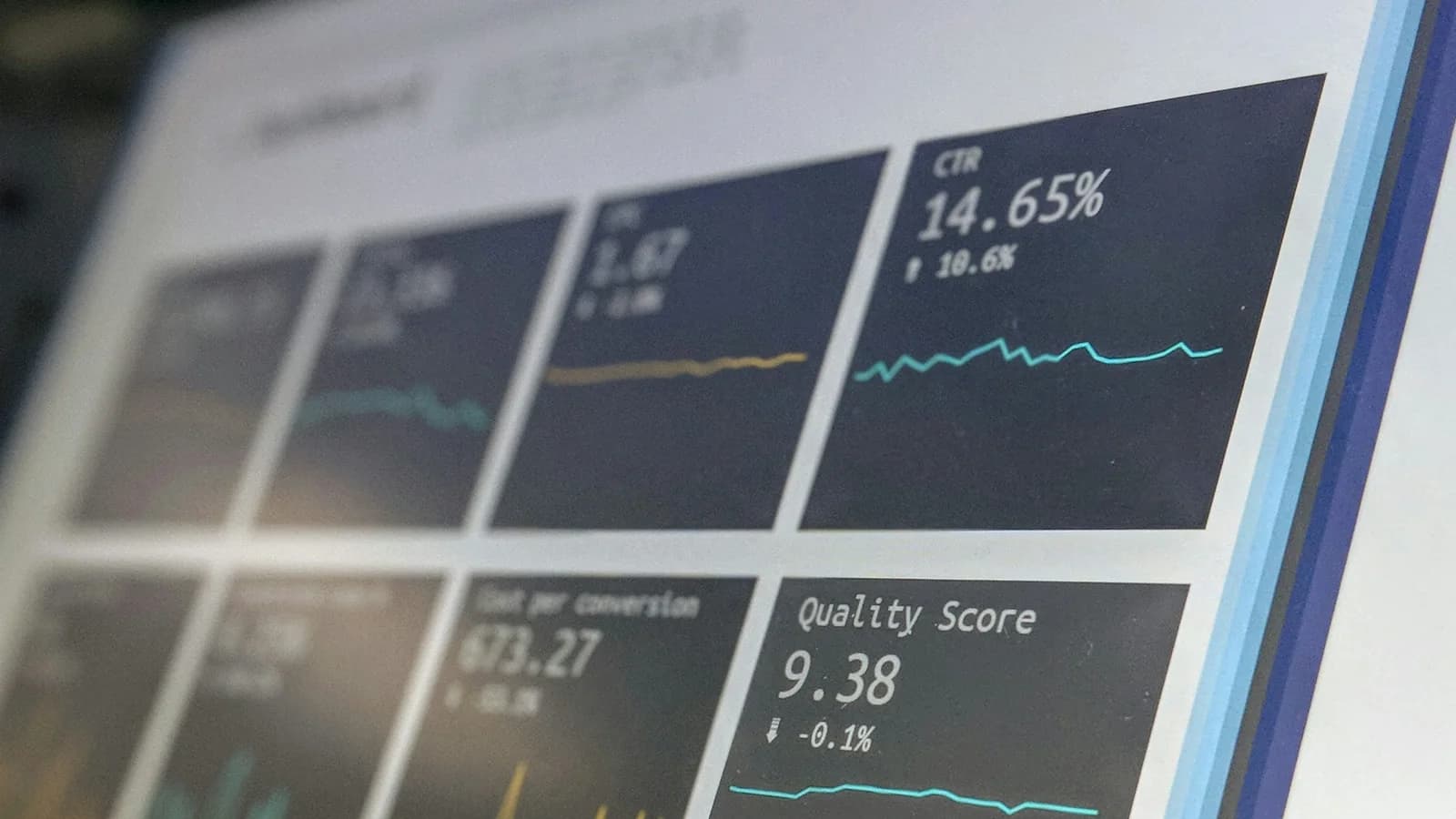
Treat disputes like an operating system, not an accounting footnote. A strong dashboard should track:
- dispute rate by product, cohort, and billing model
- chargeback loss rate
- alert resolution speed
- refund-to-chargeback substitution rate
- recurring-billing support contacts
- reserve pressure and post-payout dispute exposure
- processor or acquirer exception trends
Once those metrics are visible, prevention becomes manageable.
Where This Fits in the WGSN Content and Service Stack
Chargeback prevention for creator platforms overlaps most closely with:
- Adult Merchant Payment Processing: 2026 Playbook for Stability and Approval Rates
- Creator Payout Infrastructure: 2026 Playbook for Faster Settlements
- Subscription Platform Revenue Operations Playbook
The most relevant service pages are:
- Revenue Operations for Creator and Subscription Platforms
- Adult Platform Operations Services
- AI Workflow Automation for Adult Platforms
Final Takeaway
Chargeback prevention for creator platforms is strongest when it starts before the chargeback. Clearer billing signals, faster dispute triage, better evidence packaging, and tighter payout coordination all reduce the chance that revenue friction turns into network scrutiny.
In practice, the winning systems are the ones that connect support, fraud, billing, and finance into one operating loop.
Sources
- Visa Acceptance Solutions: Reduce chargebacks by optimizing your dispute management
- Mastercard: Dispute Management & Enhanced Purchase Experience
- Mastercard: The best time to stop a chargeback? Before it starts (April 15, 2026)
- Mastercard Chargeback Guide, Merchant Edition (May 13, 2025)
- Mastercard expands technology to counter friendly fraud (June 25, 2025)